
Charting the Informational Universe
September 16-18, 2025
Cleveland, OH
SPEAKERS
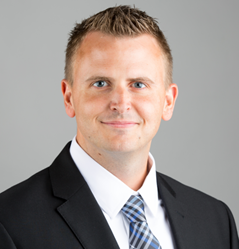
Deron Morgan
Clarivate
Sessions
3:00 pm - 3:10 pm
Clarivate
4:25 pm - 4:55 pm
At the University of West Florida Libraries, our journey with Esploro has been one of strategic growth—planting the seeds of collaboration, nurturing engagement, and looking forward to harvesting the benefits of a well-integrated research information management system. We recognized that the success of the Argo Scholar Commons required a long-term vision, one that focuses on gradual buy-in from stakeholders across different levels of the university. By offering meaningful solutions—such as multi-faceted researcher profiles, low-maintenance department pages, and automated smart harvesting—our aim is to align the work of the ASC with the research needs of the university.
Our presentation will explore how we are leveraging Esploro's functionality to engage institutional stakeholders and foster organic policy development and institutional trust. When the UWF Libraries adopted Esploro for our institutional repository, we were looking for a system that would help us develop a sustainable and functional research ecosystem that could be integrated into the fabric of the UWF community.
We will offer insights into our successes, challenges, and ongoing strategies for maintaining engagement with Esploro. We will also share key lessons learned, including the importance of adaptability, the role of visual and functional trust, and the necessity of continuous outreach. Attendees will leave with practical takeaways on how to cultivate long-term success with their own expert finder systems, ensuring that they become deeply woven into the institutional fabric rather than becoming siloed, underutilized tools.
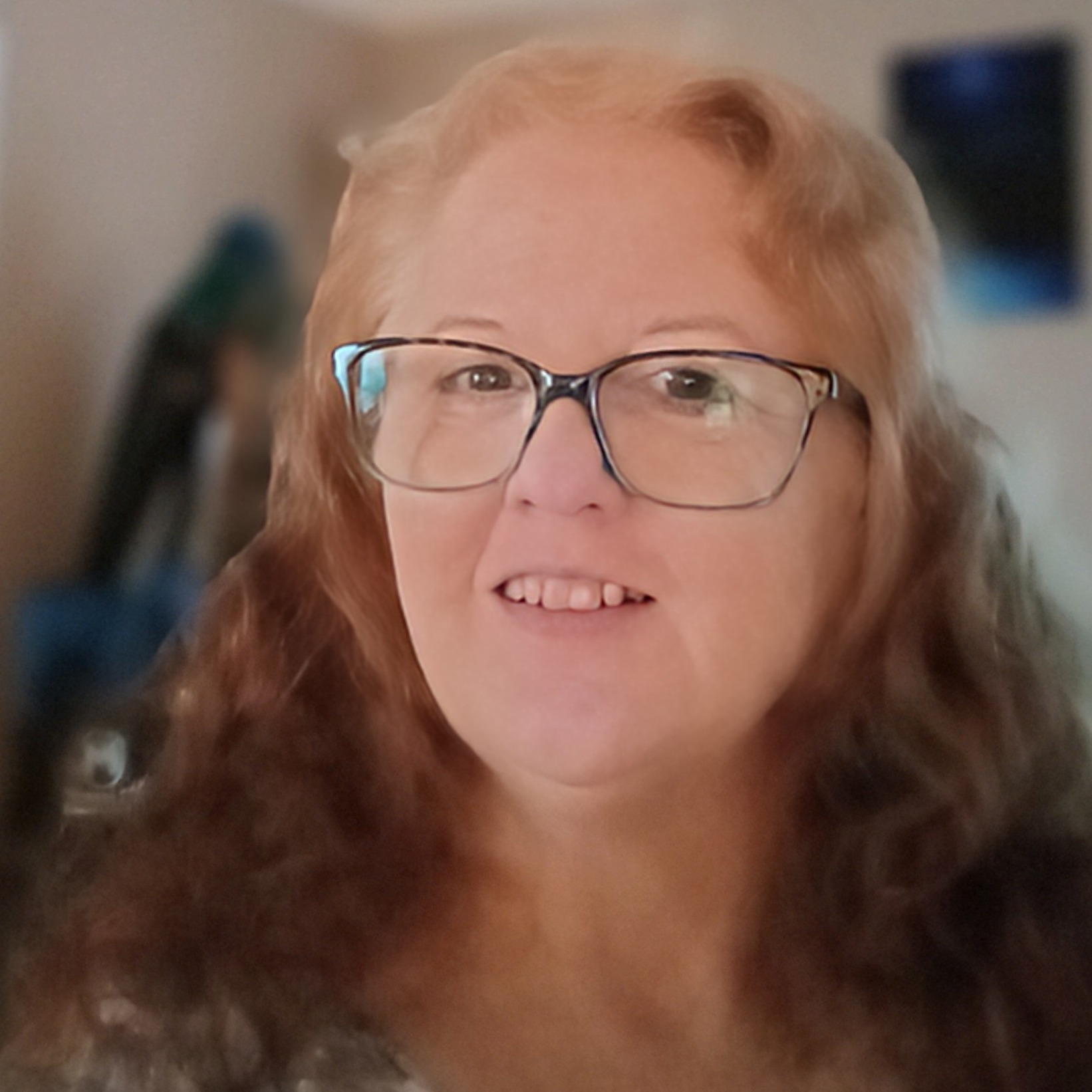
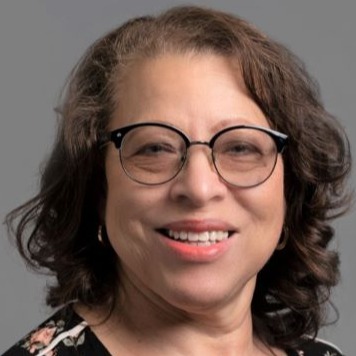
Clarivate
4:20 pm - 4:50 pm
We've all put a lot of effort into building expert finder systems—but what else can we do with all that data? At the University of California, San Francisco, we took a fresh look at our UCSF Profiles data and asked a deceptively simple question: is this researcher doing basic science, or clinical/translational work? That question turned out to be more complicated—and more valuable—than we expected.
This talk will walk through how our team combined publication, grant, and other research metadata from UCSF Profiles to explore faculty research directions through a new lens. We tested a range of approaches, from rule-based methods to AI models, and worked closely with internal stakeholders to validate whether our classifications held up.
Along the way, we grappled with the fuzziness of research categories, struggled to resolve disagreements over what defines a researcher, developed strategies to build trust in algorithmic results, and figured out how to apply similar techniques to classify grants—not just people.
We thought the project was about labeling researchers, but it made us rethink how we use the data we already have to tell clearer stories about who's doing what at UCSF—and using those insights to support planning, reporting, recruitment, retention, and research development. If your institution has an expert finder system and you're looking for new ways to unlock its potential, this talk is for you.
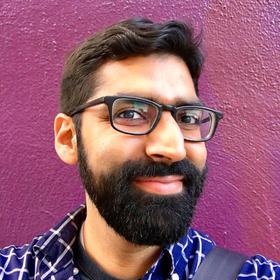
Clarivate
Sponsors and Exhibitors
Founder and Organizing Sponsor

Gold Sponsor
Gold Sponsor
Gold Sponsor

Silver Sponsor
Silver Sponsor
Silver Sponsor
Virtual Event